Professional Backflow Testing Austin, TX
Backflow testing Austin is a service that checks devices designed to keep dirty water from flowing back into clean water lines. Backflow can happen when water pressure drops or changes suddenly. Testing helps confirm the device is working as intended. Home Plumbing Services provides backflow testing to help protect water use at homes and businesses.
Why Backflow Testing Is Necessary?
Backflow can allow contaminated water to mix with clean water. This may happen due to pressure changes from broken pipes, heavy water use, or irrigation systems. Testing helps confirm that the backflow preventer stops reverse flow when pressure changes occur. 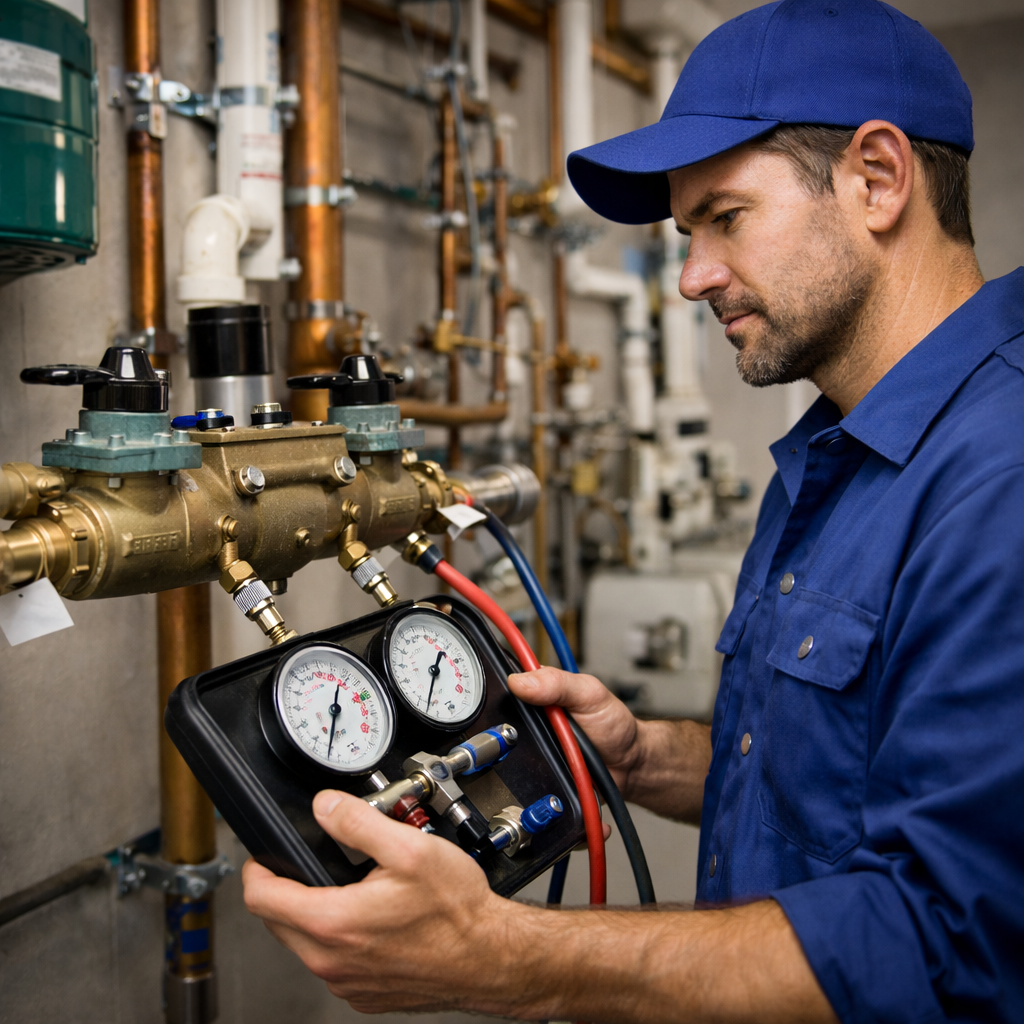
Backflow testing is often required by local water systems. Regular testing helps meet water system rules and supports safe water use. It also helps spot worn or failing devices early, before they cause larger plumbing concerns.
Signs You Need Backflow Testing Service Austin TX
Backflow issues are not always easy to see. Some warning signs may suggest it is time for testing.
-
Water with unusual color or smell -
Past due testing notices
-
Recent plumbing or irrigation work -
Older backflow devices
-
Property use changes -
Changes in water pressure
Our Backflow Testing Austin TX Services
Our Austin backflow testing services cover inspection, testing, and basic device care. Each service is planned to support proper water flow and system compliance.
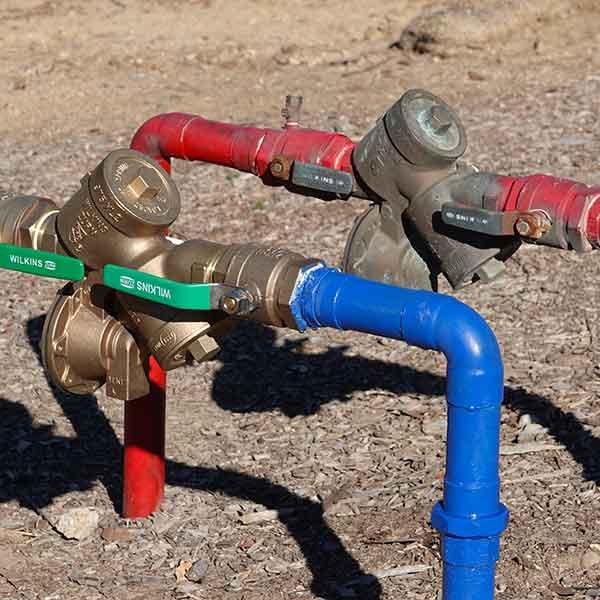
Backflow Repair and Replacement
Our backflow repair and replacement addresses damaged or worn devices. Parts are checked and replaced when needed. This helps restore proper function.
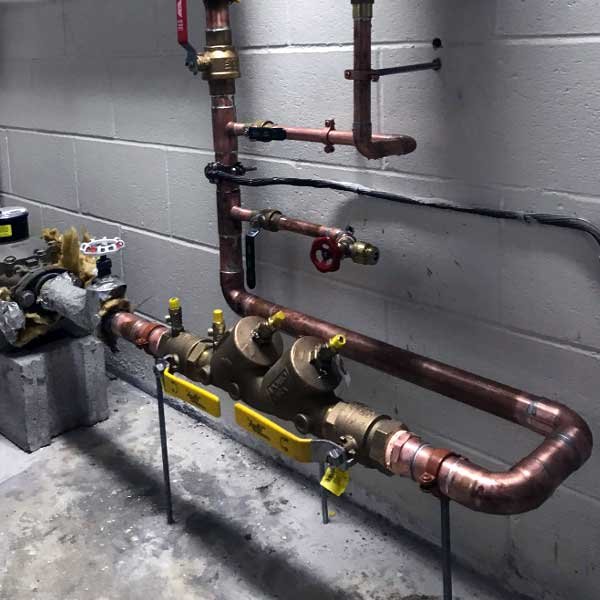
Backflow Testing
Our backflow testing service checks device performance under pressure changes. Results show whether the device passes or needs attention. Testing supports austin texas backflow testing needs.
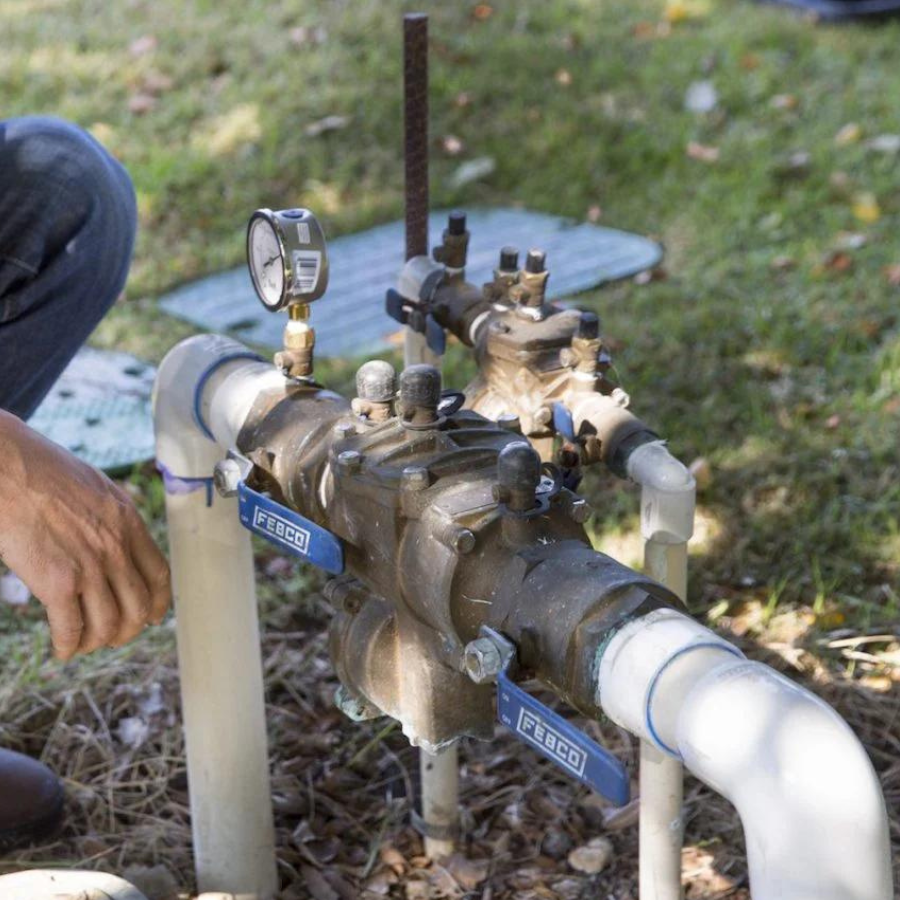
Backflow Prevention
Our backflow prevention focuses on stopping reverse water flow. Devices are reviewed for proper placement and operation. This supports austin backflow prevention needs.
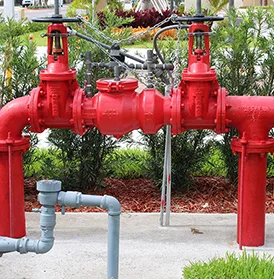
Backflow Device Installation
Our backflow device installation is used for new systems or upgrades. Placement is planned based on water use. Installation supports long-term protection.
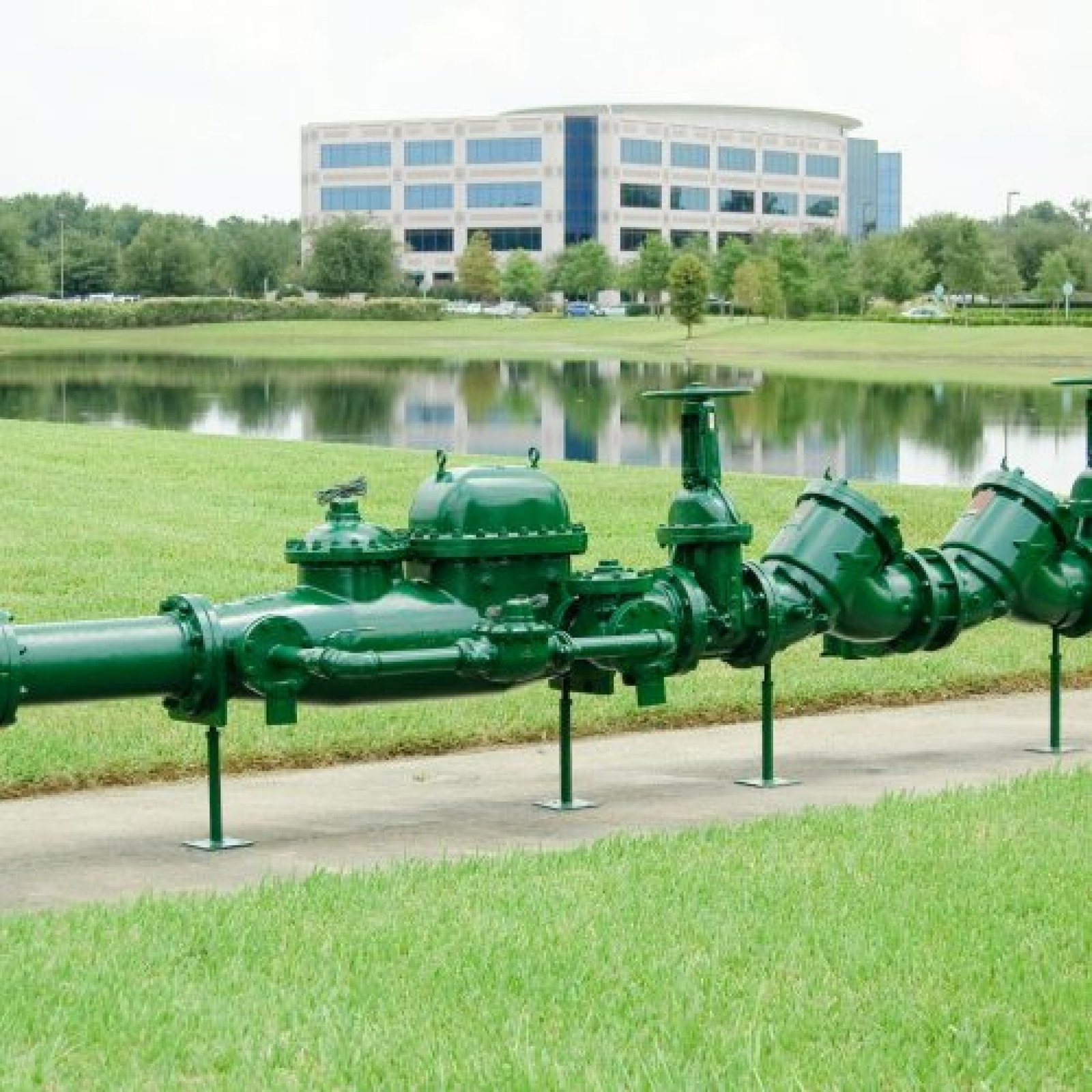
Backflow Inspection Services
Our backflow inspection Austin services review device condition. Inspections help spot wear or buildup. This supports planning for future service.
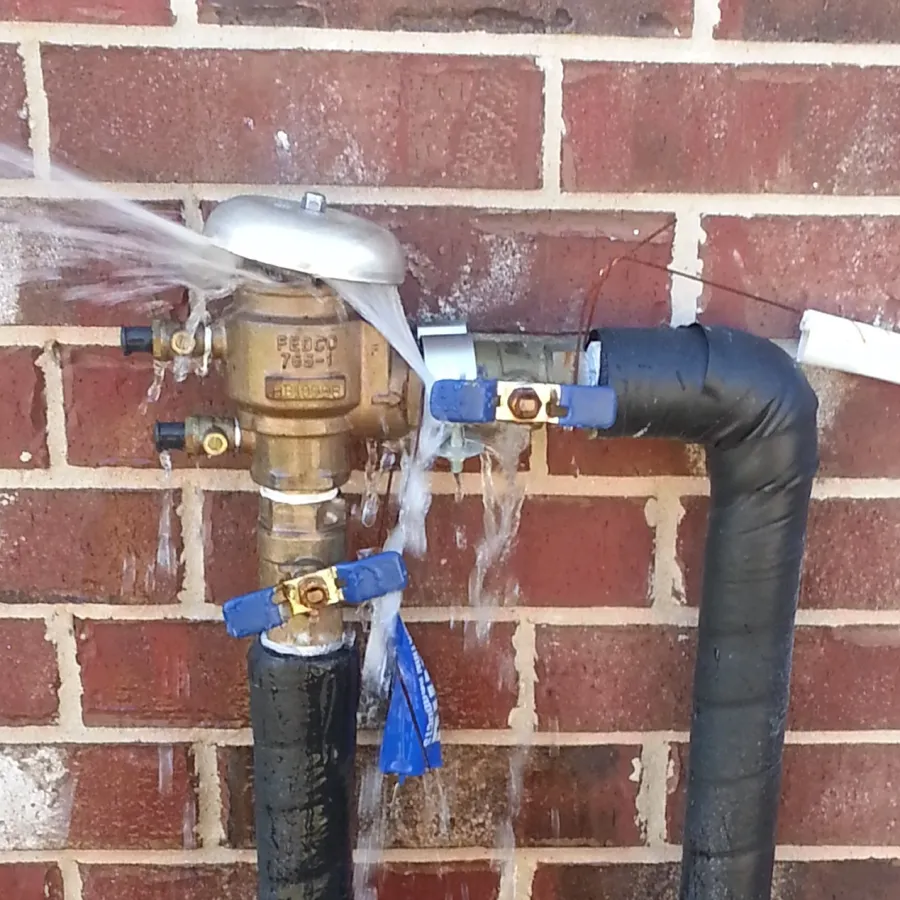
Backflow Valve Repair
Our backflow valve repair service focuses on seals and internal parts. Worn components can impact performance. Repairs help extend device life.
Check Out Our related services
Drain Cleaning
Emergency Plumber
Leak Detection
Looking for backflow testing Austin support? Contact our team to schedule a backflow inspection Austin service today.
Call Now
Our Backflow Testing Austin Process
System Review
We start by locating the backflow device. The surrounding plumbing is reviewed. This helps prepare for testing.
Device Testing
Pressure readings are taken using testing tools. Results show if the device is working properly. Any issues are noted.
Reporting and Next Steps
Test results are recorded. If problems are found, service options are explained. This supports Austin water backflow requirements.
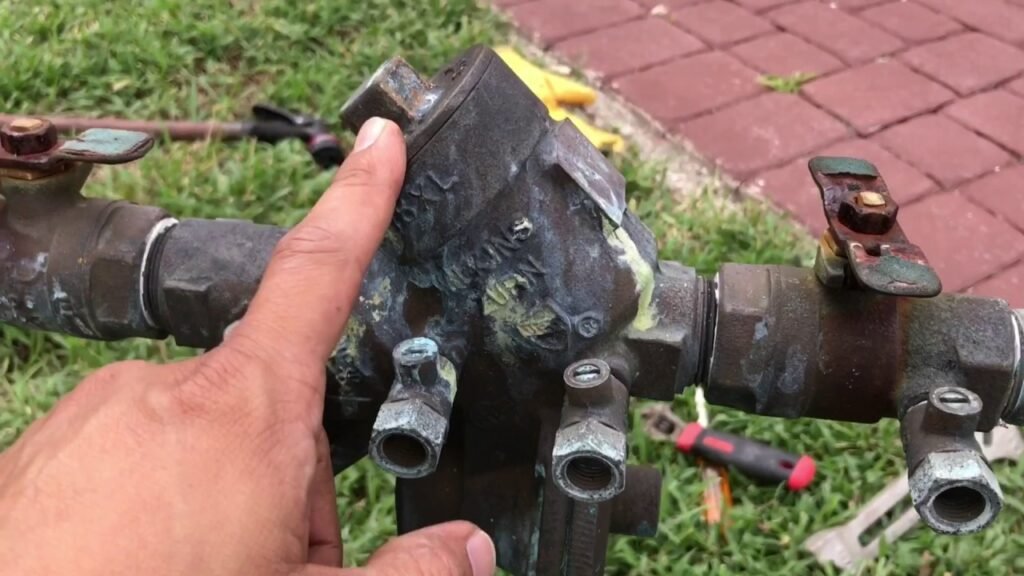
Why Choose Home Plumbing Services for Backflow Testing?
Familiar With Local Water Systems
We understand Austin water backflow requirements. Testing follows local system guidelines.
Clear Service Steps
Each step is explained in simple words. You know what is being checked and why.
Focused Backflow Work
Services focus only on backflow systems. This helps support proper device performance.
Organized Service Approach
Work areas are kept orderly during service. Final checks confirm testing is complete.
Most Popular Questions
What happens if a backflow preventer does not pass testing?
If it fails, repair or replacement may be needed. This helps restore proper protection.
Do irrigation systems need backflow services?
Yes. Irrigation systems often require Austin water backflow preventer testing to protect clean water.
How long does a backflow test usually take?
Most tests take a short amount of time. Timing depends on device type and access.
How often should backflow devices be tested?
Testing is usually required once a year. Some properties may need more frequent checks.
What does backflow mean and why is testing needed?
Backflow is when water flows in the wrong direction. Testing confirms the preventer blocks this reverse flow.