The Different Ways to Add Hot Water to a Pressure Washing Setup
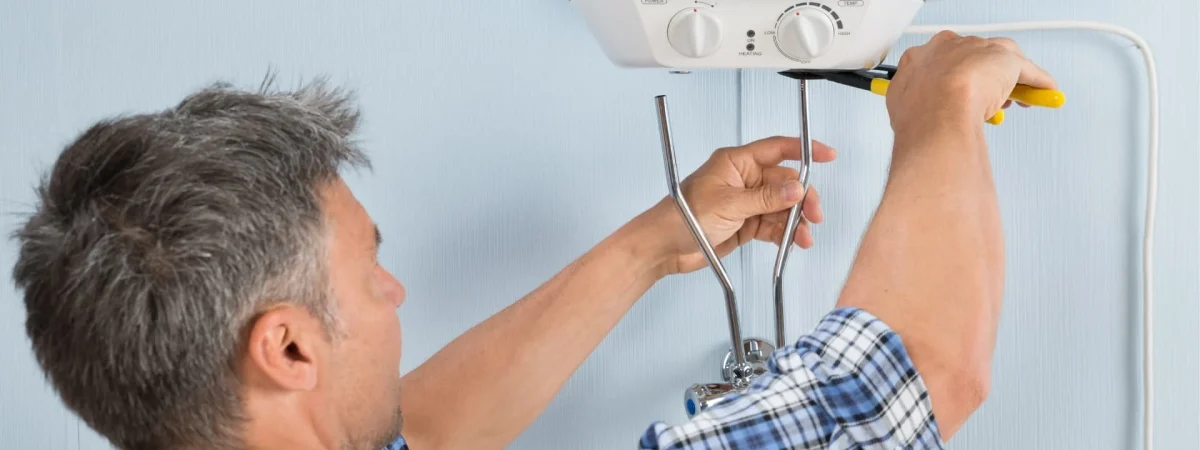
Not everyone needs to buy a brand new hot water machine. There are a few different paths depending on what you already own and what kind of work you’re doing.
Self-contained hot water pressure washers come with everything built in – pump, engine or motor, heating coil, fuel system, all in one frame. They’re more expensive upfront but they’re designed to work together as a system, which means fewer compatibility headaches and generally better performance under continuous use. If you’re starting from zero and you already know hot water is what you need, buying a purpose-built machine usually makes more sense than stacking an inline heater on top of a cold water unit.
Electric inline heaters are worth mentioning even though they come with real limitations. The biggest issue is temperature rise at higher flow rates. Most electric units struggle to deliver meaningful heat when you’re pushing 3 or 4 GPM through them. They work fine in low-demand situations light cleaning, controlled shop environments, and situations where you’re connected to dedicated power and not pushing the machine hard. For outdoor work, mobile setups, or anything involving higher flow, propane delivers better results.
The Specs You Actually Need to Pay Attention To
A lot of buyers get overwhelmed by spec sheets or, worse, ignore them entirely and just go by price and reviews. Neither approach works that well with this equipment. There are really four numbers that matter.
BTU output tells you how much heat the unit can actually generate. More BTU means a greater temperature rise at a given flow rate. For residential use and occasional commercial jobs, something in the 400,000 to 500,000 BTU range covers most situations. If you’re running a machine hard all day on fleet washing or industrial cleaning, you may need to go higher.
Temperature rise is the number BTU output actually translates into, and it’s specific to your flow rate. A heater might advertise a 100°F temperature rise, but that figure is often measured at a low flow rate. At your actual operating GPM, the rise may be significantly less. Check the temperature rise at your specific flow rate before you buy, not just the headline number.
PSI rating is the most straightforward. Make sure the heater can handle the pressure your machine generates. Most residential and light commercial setups are in the 2,500 to 4,000 PSI range, and most inline heaters cover this without issue. Where people run into problems is with higher-output commercial machines always check the rated maximum PSI before connecting anything.
How to Actually Decide Propane or Electric
The honest answer is that propane is the default for most people reading this, and there are good reasons for that.
Mobile work, job sites, outdoor cleaning none of these situations reliably give you access to a 240V outlet. Even when there is power available, running extension cords long enough to reach where you’re working adds its own problems. Propane gives you a self-contained fuel source you can bring anywhere, and propane heaters generally deliver better temperature performance at higher flow rates than comparable electric units.
Electric makes a genuine case for itself in fixed locations. If you’re working out of a shop, a dedicated wash bay, or anywhere you’re always connected to reliable power, electric is cleaner to operate, quieter, and lower maintenance. You don’t manage fuel, you don’t deal with burners, and there’s less that can mechanically go wrong over time.
If your work takes you to different locations, go with propane. If you’re always in the same place with consistent power access, electric is worth considering.
Hoses, Safety, and What Not to Skip
One thing that catches people off guard is that their existing hoses might not be rated for hot water. Standard cold water pressure washer hoses can handle cold and ambient temperature water fine, but sustained exposure to 160°F or 180°F water degrades them faster than most people expect. Hot water rated hoses are marked as such and are built with materials that handle the temperature without breaking down. It’s not an expensive upgrade but it’s one worth making before you run hot water through your existing setup.
FAQs
What temperature should the water be for pressure washing?
For general surface cleaning and light grease, 140°F to 160°F handles most jobs well. For heavy grease, oil, or mold removal, going up to 180°F makes a noticeable difference. Most inline heaters let you dial in the temperature rather than running at a fixed output.
Is a hot water pressure washer worth the extra cost?
Depends entirely on what you’re cleaning. For driveways with light dirt, no – cold water is fine. For grease, mold, oil, or any surface where things are bonded rather than just sitting on top, the difference is significant enough that most people who switch don’t go back.
CTA
Cold water pressure washers are useful machines. But there’s a category of cleaning work where they simply don’t perform, and adding heat is the fix. Whether that means an inline heater on your existing machine or a dedicated hot water unit depends on your budget and how often you’re doing this kind of work. Either way, once you’ve used hot water on a genuinely greasy surface, it’s hard to go back to cold.