How to Find Your Water Heater’s Age by Serial Number (All Major Brands)
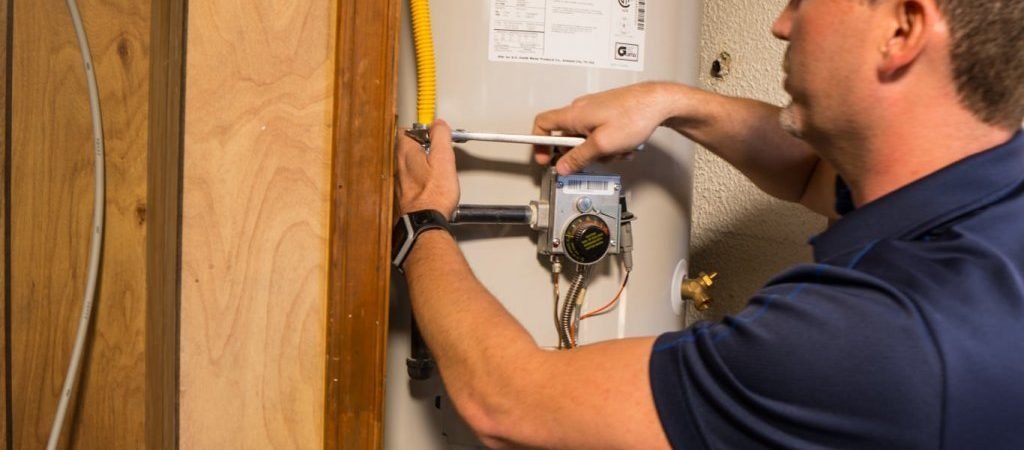
Most people don’t check their water heater until something feels off. Maybe the hot water isn’t lasting as long. Maybe there’s a strange noise. Or, maybe you’re just trying to stay ahead of a breakdown. At that point, one question matters the most i.e. how old is it? The answer is already on the unit. You don’t need paperwork or installation records. The serial number contains the manufacturing date-you just need to read it correctly.
The only problem is that every manufacturer does it differently. There’s no standard format, which is why this confuses so many homeowners.
Where to Find the Serial Number
Before decoding anything, you need the number itself. Look at the outside of the tank. In most cases, the label is placed on the upper section. It’s usually near warning labels, specifications, or energy guides.
Sometimes it’s present at front, sometimes it is slightly to the side. On older units, it might be faded or slightly worn out. If that happens, clean it gently and take a clear picture. That helps avoid misreading letters like “O” and “0” or “I” and “1”.
Once you have the full serial number written down, decoding becomes way easy and straightforward.
Why Knowing the Age Actually Matters
This isn’t just curiosity. Water heaters don’t last forever. Most tanks have a working life of around 8 to 12 years. After that, internal wear becomes more likely-corrosion, sediment buildup, and efficiency loss all start catching up. Knowing the age helps you:
- decide if repair is worth it
- estimate remaining lifespan
- avoid sudden failure
- plan replacement before damage happens
It gives context to everything else you’re seeing.
How Serial Number Dating Works
Manufacturers don’t write the date clearly. Instead, they encode it using:
- numbers (year + week or month)
- letters (for month or year)
- combinations of both
Once you know the format for your brand, it’s easy to decode.
Decoder Tables for Major Water Heater Brands
Serial Number Key
Segment | Meaning |
First 2 Digits | Month |
Next 2 Digits | Year |
Example:
Serial: 0822XXXX → August 2022
This is one of the simplest formats.
A.O. Smith Serial Number Key
Segment | Meaning |
First 2 Digits | Year |
Next 2 Digits | Week |
Example:
2107XXXX → 7th week of 2021
This gives a more precise production window.
Bradford White Serial Number Key
Position | Meaning |
1st Letter | Year |
2nd Letter | Month |
Month Codes:
A = Jan, B = Feb, C = Mar … L = Dec
Year Codes (cycle repeats every 20 years):
A = 2004 / 2024
B = 2005 / 2025
Example:
Serial: CKXXXX → March 2023 (depending on cycle)
This is the most confusing system due to repeating cycles.
State Water Heaters Serial Number Key
Segment | Meaning |
First 2 Digits | Year |
Next 2 Digits | Week |
Same structure as AO Smith.
Whirlpool Serial Number Key
Segment | Meaning |
1st Character | Year |
2nd Character | Week |
Varies slightly depending on model, so cross-checking is sometimes needed.
American Water Heater Serial Number Key
Segment | Meaning |
First 2 Digits | Year |
Next 2 Digits | Week |
Very similar to AO Smith and State.
Rinnai (Tankless Units) Serial Number Key
Segment | Meaning |
First 2 Digits | Year |
Next 2 Digits | Month |
Example:
2211XXXX → November 2022
Tankless units often last longer, so age matters differently here.
Atwood (RV Water Heaters) Serial Number Key
Segment | Meaning |
First Digits | Year |
Following Digits | Production Batch |
Formats vary slightly, but most include the year in the first portion of the serial.
Common Mistakes People Make
One mistake is assuming all brands follow the same format. They don’t. Another is misreading characters. A faded “8” can look like a “3”. That alone can shift the manufacturing year completely. Also, with brands like Bradford White, people forget about the cycle repetition and assume the wrong decade. Small errors like these lead to wrong conclusions.
What If the Serial Number Is Missing?
This does happen, especially on older units. If the label is unreadable:
- check installation records
- look at model design
- consult a technician
Professionals can often estimate the age based on wear, style, and internal condition. It won’t be exact, but it’s usually close.
What to Do Once You Know the Age
This is where most articles stop-but this part actually matters more. If your heater is under 5 years old, most issues are worth repairing. The system still has good life left. Between 6–9 years, it depends. Repairs may still make sense, but you should start planning ahead.
At 10+ years, you’re in the risk zone. Even if it’s working, internal wear is already happening. At this stage:
- repairs become temporary
- efficiency drops
- failure risk increases
This is usually when replacement becomes the smarter long-term choice.
Age vs Condition (They’re Not the Same)
A 10-year-old heater that’s been maintained can still perform well.
A 6-year-old heater with heavy sediment buildup can struggle.
So while age gives you a timeline, condition tells you the real story.
You need both to make the right decision.
A Practical Way to Think About It
Not all home issues behave the same. A gas leak needs immediate evacuation. A sump pump failure needs quick action but doesn’t carry the same immediate danger. Water heaters fall somewhere in the middle-they rarely fail instantly, but when they do, it’s disruptive and costly.
Understanding that difference helps you prioritize correctly instead of reacting blindly.
Related Reading
- Water heater making noise (C11)
- Tank vs tankless comparison (C17)
- Signs you need replacement (C05)
External Reference
For manufacturer-specific verification, you can also check official decoding guidelines directly through brand support pages such as Rheem or AO Smith documentation.
Questions People Ask
How do I know I’m reading the serial number right?
Honestly, this is where most people get stuck. Numbers and letters start blending, especially if the label is old. If something looks off, take a photo and zoom in. That usually clears it up. If it still doesn’t make sense, it’s probably the format-not you.
What if the date I get doesn’t match what I expected?
That happens more than you’d think. Sometimes the unit was sitting in storage before installation. So yeah, it can be a bit older than when it was actually installed.
Is it normal if my heater is still working after 10 years?
Yes, it happens. Some last longer. But the point is-you’re already past the stage where failures become common. So even if it’s working fine, it’s not exactly “safe to forget about.”
Can I just ignore the age if everything seems okay?
You can. A lot of people do. But usually the issue is not gradual-it’s sudden. One day it works, next day there’s water on the floor.
Do tankless heaters follow the same age rules?
Not really. They last longer in general, but they’re not maintenance-free. Age still matters, just in a different way.
Need Help to Figure It Out?
If you’ve checked the serial number and you still feel unsure, that’s normal and you don’t need to worry. A lot of these formats aren’t exactly user-friendly. Sometimes it’s easier to just have someone to look at it once and tell you straight how old it is or, how it’s holding up, and whether you should leave it as it is or start thinking of replacing it. Better to check it on your terms than deal with it when something fails.